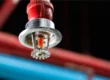
Fire sprinkler procedures automatically react to fires, regardless of the time of day, without requiring human intervention or the need to guide safety considerations.
Fire sprinkler systems reduce property damage in the event of a fire and moreover, they save lives. But exactly, what is a Fire Sprinkler system? How is it installed? Lastly, what are its benefits?
So first things first, sprinkler fire systems are designed to respond to actual fires, unlike fire alarms which are like indicators of an oncoming fire.
Types of fire sprinkler systems
Dry-Pipe System
It can only be used in spaces whereby the regular temperature may be cold enough to freeze the water in a wet pipe system and rendering the system inoperable. Water is not present in the system’s piping until the system operates.
Wet Pipe System
This type of sprinkler is your traditional fire sprinkler system that automatically reacts to heat temperatures higher than their temperature rating by releasing a flow of water from the sprinkler.
Pre-action System
These are designed especially for use in locations where accidental activation are undesired. These can be museums with rare artworks, manuscripts, or books that can get seriously damaged in the case of a fire or water submersion.
Installing the fire sprinkler system
Just a side note, installing fire sprinklers on your own may not yield the results you were hoping for which is why, we have compiled a list of steps to follow when Doing It Yourself.
1. Check pressure on water supply
Fire sprinkler systems are easier to install when there is enough pressure in water supply. A pressure of 100 PSI is desirable. To ensure easy flow, invest in storage pump and a tank for the sprinkler systems.
2. Install Piping in Basement
Piping will run the water from the supply in the basement across the ceiling to the first-floor sprinkler heads. These pipes are made of CPVC (a strong and rigid thermoplastic material that is used for hot and cold potable water applications in residential construction.), which is similar to PVC, but it’s more heat resistant Join these pipes using pipe cement.
3. Install Cages Around the Basement Sprinkler Heads
To prevent sprinkler heads from accidentally being bumped and set off, ensure to attach protective cages. This is especially important in areas where the ceiling is low.

Handpicked Related Topic: Enhancing Safety with Fire Suppression Systems
4. Drill a Hole to the Basement
Drill through the bottom of the wall and the floor into the basement below. Insert more CPVC piping through the hole into the basement so that it can be connected to the sprinkler line.
5. Run More Piping
Continue to drill and run piping as necessary to install the piping system where the sprinklers should be on the first level of the property. Advisably, choose to mount sprinklers high up on the walls instead.
6. Install Bedroom Sprinklers
Cut a hole in the floor so that it connects to the piping you’ve opened on the floor below. You will run the piping from the second floor to the top, where you will route it through the ceilings of the bedrooms, so you can set sprinklers in every room where someone sleeps.
NB: Install a cap on the recessed sprinkler to conceal it from view.
7. Perform a Leak Test
After sealing and connecting, the system needs to be pressurised and leak tested. At this point, your home should be ready to fight back in the event of an unexpected fire.
Maintaining fire sprinkler systems
Weekly\Monthly
- Inspection of gauges depends on the type of sprinkler system (dry, pre-action, deluge and wet systems)
Every 3 months
- Inspection of alarm devices, hydraulic nameplate and fire department connections
Yearly
- Inspection of buildings, pipes, fittings and sprinklers
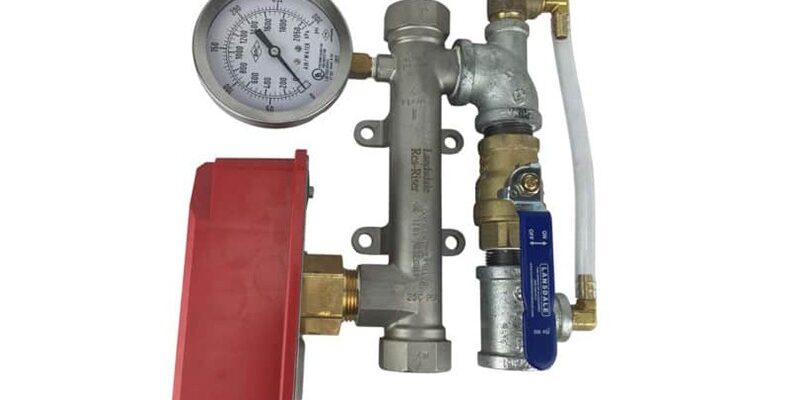
- Inspection and testing of control valves, alarm switches, gauges, anti-freeze loops, fire department connections, and visible piping
- Inspection and trip test of dry, pre-action, and deluge systems
After 5 years
- Thorough inspection of system (Hoses, containers, and piping).
- Standpipe testing (including dry standpipe hydrostatic testing)
- Internal pipe inspections & obstruction investigations

Lastly, the benefits
- Sprinkler systems are automatic and respond at all times.
- A well-designed and functioning system will ensure prompt managing of the spread of fire to minimize fire and water damage to property and lives.
- Fire sprinkler procedures automatically react to fires, regardless of the time of day, without requiring human intervention or the need to guide safety considerations.
- Sprinkler systems connect with water flow alarms that will alert occupants of offsite monitoring services of a developing fire.
- Sprinkler systems use significantly smaller firewater than hydrants, hydraulic hose reels, or general fire services, making it a more cost-effective and sustainable fire control solution.
- Sprinklers control fires and are known for causing less damage than fires not kept in check by sprinklers.
Prana FM offers full turnkey fire sprinkler solutions. Contact Us today and get the system your property needs to survive fire accidents.