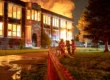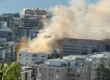
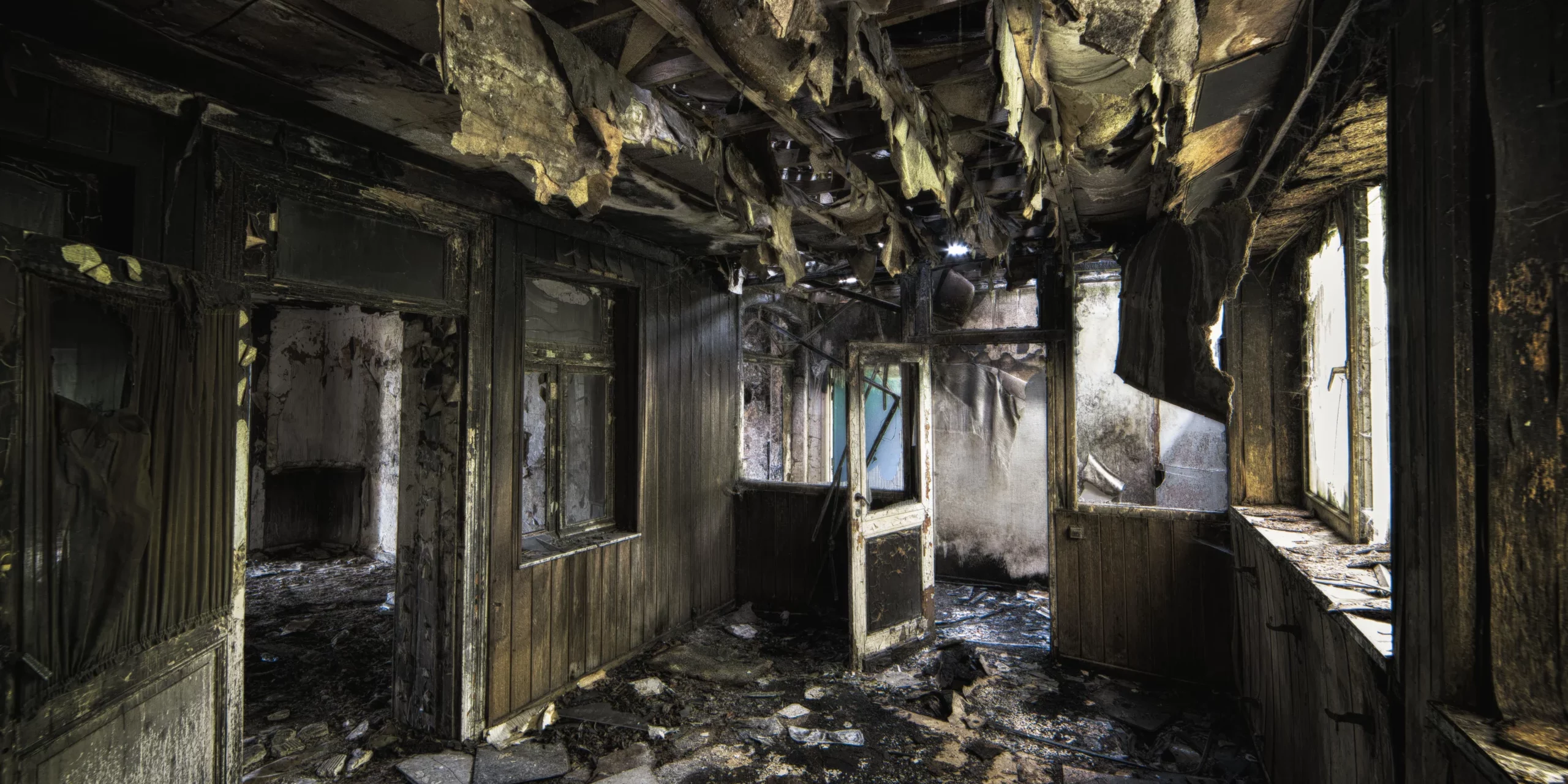
When it comes to fire safety, time is the most critical factor. A small flame can escalate into a devastating blaze in as little as five minutes, putting lives, property, and businesses at serious risk. Understanding how quickly fires spread and how to respond can make all the difference between minor damage and catastrophic loss.
How Fires Escalate So Quickly
Fires grow exponentially. Within seconds, a spark can ignite nearby materials, especially in environments with flammable items like paper, furniture, or chemicals. Within minutes, temperatures can exceed 600°C, leading to “flashover,” where everything in a room ignites simultaneously.
This rapid escalation is why effective fire management and preparedness are essential. Without early intervention, fires can spread beyond control before emergency services even arrive.
The Real Cost of Fire Damage
Beyond the immediate threat to life, fire damage can have long-lasting impacts. Businesses may face:
- Structural damage to buildings
- Loss of critical equipment and data
- Operational downtime and financial losses
- Reputational harm
According to global safety organizations like the https://www.nfpa.org, most fire-related losses could be reduced with proper prevention measures and early detection systems.
Why Fire Safety Should Be a Priority
Strong fire safety practices are your first line of defense. This includes:
- Installing and maintaining smoke alarms
- Conducting regular fire drills
- Ensuring clear evacuation routes
- Training staff on emergency response procedures
In workplaces and public spaces, adherence to fire safety standards is not just good practice, it’s a legal and ethical obligation.
The Role of Fire Protection Services
Professional fire protection services play a critical role in preventing and mitigating fires. These services may include:
- Fire risk assessments
- Installation of fire suppression systems
- Routine inspections and maintenance
- Emergency response planning
Investing in expert support ensures that your fire safety systems are compliant, functional, and ready when needed most.
Learn more about professional solutions on our internal page: Fire Protection Services
Building a Proactive Fire Management Plan
Effective fire management goes beyond reacting to emergencies. It focuses on prevention, preparedness, and continuous improvement. A robust plan should include:
- Identifying potential hazards
- Establishing clear procedures
- Assigning trained personnel
- Regularly reviewing and updating safety measures
Organisations such as the https://www.iafc.org emphasize the importance of proactive planning to reduce fire risks and improve response outcomes.
In just five minutes, a fire can spiral out of control but with the right precautions, it doesn’t have to. Prioritizing fire safety, investing in reliable fire protection services, and implementing strong fire management strategies can significantly reduce the risk of severe fire damage.
Preparedness today can save lives and property tomorrow.