
A Fire That Changed Lives in Minutes
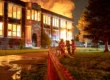
On 30 July 2026, a serious fire broke out at The Dorchester apartment block on High Level Road in Sea Point, Cape Town. What began as a fire in a top-floor apartment quickly escalated into a complex emergency that required multiple firefighting teams, specialised aerial equipment, and an overnight response effort. Tragically, 93-year-old resident Sam Strime lost his life, while dozens of residents were displaced from their homes. The fire also destroyed the apartment of South African Olympic swimmer Chad le Clos, who was competing overseas at the time.
For fire safety professionals, facilities managers, body corporates, and property owners, the Dorchester fire offers important lessons about fire safety, emergency response, and building preparedness.
How the Incident Unfolded
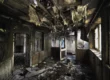
Emergency services received reports of a fire on the top floor of the building during the afternoon. Firefighters from multiple stations responded as flames spread into the roof structure, eventually causing parts of the roof and staircase to collapse. Crews continued battling flare-ups throughout the night, with specialised aerial firefighting platforms deployed to reach the upper levels safely.
The incident demonstrated how rapidly a contained fire can evolve into a major structural emergency once it reaches concealed spaces such as roof voids and ceiling cavities.
The Challenge of High-Rise Residential Fires
Unlike industrial facilities, residential buildings present unique evacuation challenges. Occupants include elderly residents, families, visitors, and individuals with varying levels of mobility.
During the Dorchester fire, thick smoke, structural instability, and limited access to upper floors complicated rescue and firefighting operations. According to reports, Sam Strime was overcome by smoke after returning to his apartment, highlighting the dangers occupants face when attempting to retrieve possessions or rescue pets during an emergency.
This reinforces a fundamental principle of emergency preparedness: life safety must always take priority over property.
The Importance of Fire Detection and Early Warning
Every minute counts during a fire emergency. Effective fire detection systems provide occupants with critical time to evacuate before smoke and heat conditions become untenable.
A comprehensive fire protection strategy for residential buildings should include:
- Smoke detection systems
- Audible alarm notifications
- Emergency lighting
- Clear evacuation routes
- Routine inspection and maintenance programmes
Modern fire safety solutions focus on early detection because most fire-related fatalities result from smoke inhalation rather than direct flame exposure.
Emergency Preparedness Beyond Compliance
One of the key lessons from the Dorchester fire is that fire safety compliance alone does not guarantee readiness.
Effective emergency preparedness planning requires occupants to understand:
Evacuation Procedures
Residents should know how to exit the building safely and where designated assembly points are located.
Emergency Communication
Clear communication channels reduce confusion and help emergency services account for occupants.
High-Risk Resident Planning
Buildings housing elderly residents or individuals with mobility limitations should have specific evacuation support measures in place.
Regular Training and Drills
Fire drills help transform emergency procedures from written policies into practical actions.
Organizations and residential property managers seeking assistance with these measures often benefit from professional emergency preparedness consulting.
Key Lessons for Property Owners
The Dorchester fire highlights the value of a proactive approach to risk management.
Regular fire risk assessment services can identify vulnerabilities before an incident occurs. Assessments typically evaluate building construction, occupancy risks, escape routes, fire loads, emergency procedures, and suppression requirements.
Combined with fire sprinkler installation services, maintenance programmes, and evacuation planning, these assessments form the foundation of a resilient fire protection strategy.
Property managers can learn more about comprehensive fire protection services through Prana FM’s Fire Safety Solutions:
Internal Link: https://www.pranafm.com/fire-suppression-systems/fire-safety-solutions-fire-protection-company/
Conclusion
The Dorchester fire was a tragic reminder that emergencies can develop without warning and escalate rapidly. While firefighters worked tirelessly to contain the blaze, the loss of life and displacement of residents underscore the importance of robust fire safety and emergency preparedness planning.
For residential, commercial, and mixed-use properties alike, the message is clear: invest in fire risk assessments, maintain effective fire detection systems, and ensure emergency procedures are understood long before an alarm sounds.
External Links:
- City of Cape Town Fire & Rescue Services: https://www.capetown.gov.za
- National Fire Protection Association (NFPA): https://www.nfpa.org
By learning from incidents such as the Dorchester fire, organizations and property owners can build safer environments and reduce the risk of future tragedies.