Fire safety is more than installing a few fire extinguishers. It is a combination of prevention, early detection, effective suppression, staff training, and regulatory compliance. Whether you manage a commercial building, industrial facility, warehouse, healthcare institution, or residential complex, understanding these fire safety facts can significantly reduce the risk of injury, property damage, and business interruption.
At Prana FM, we believe that informed businesses are safer businesses. Here are 20 essential fire safety facts every property owner and facility manager should know.
1. Most Fires Are Preventable
The majority of workplace fires result from electrical faults, poor housekeeping, overheating equipment, or human error. Regular inspections help identify these hazards before they escalate.
2. Fire Risk Assessments Are the Foundation of Safety
A professional fire risk assessment identifies hazards, evaluates risks, and recommends corrective actions. It should never be viewed as a once-off exercise but as an ongoing process.
Learn more: https://www.pranafm.com/fire-suppression-systems/fire-risk-assessment-and-fire-audits/
3. Smoke Is Often More Dangerous Than Flames
Most fire-related fatalities occur due to smoke inhalation rather than burns. Effective smoke detection and evacuation procedures save lives.
4. Fire Detection Systems Buy Valuable Time
Modern fire detection systems provide early warning, allowing occupants to evacuate while emergency response teams act quickly.
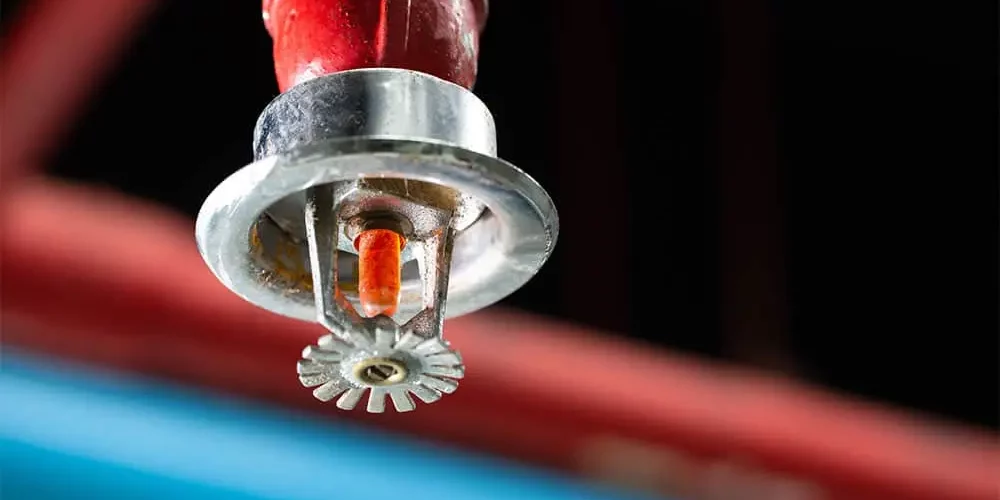
5. Fire Sprinklers Control Fires Early
Automatic sprinkler systems are designed to activate only where excessive heat is detected, limiting fire growth before firefighters arrive.
Learn more: https://www.pranafm.com/fire-sprinkler-system/
6. Every Building Has Different Fire Risks
An office, manufacturing plant, warehouse, and hospital each require different fire protection strategies based on occupancy and hazards.
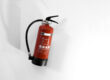
7. Fire Extinguishers Are Not Universal
Different extinguishers are designed for different fire classes. Using the wrong extinguisher can worsen the situation.
For more information visit our website: https://www.pranafm.com/fire-suppression-systems/fire-suppression-company/
8. Fire Doors Save Lives
Fire-rated doors slow the spread of flames and smoke, protecting escape routes and allowing safer evacuation.
9. Electrical Maintenance Prevents Fires
Loose wiring, overloaded circuits, and ageing electrical installations remain among the leading causes of commercial fires.
10. Housekeeping Is Fire Prevention
Removing combustible waste, maintaining clear walkways, and storing flammable materials correctly significantly reduces fire risk.
11. Staff Training Is Essential
Employees should know evacuation routes, alarm procedures, assembly points, and how to use fire extinguishers safely.
12. Emergency Plans Must Be Practised
An evacuation plan is only effective when occupants regularly participate in fire drills.
13. Compliance Protects Your Business
Fire safety regulations and applicable SANS standards exist to protect lives while helping organisations meet legal obligations.
14. Maintenance Is Just as Important as Installation
Fire detection, suppression, pumps, tanks, alarms, and extinguishers all require scheduled inspection and servicing.
15. Fire Pumps Keep Systems Operational
Without adequate water pressure, sprinkler systems and hydrants cannot perform effectively during emergencies.
16. High-Risk Industries Need Specialised Protection
Mining, manufacturing, energy, logistics, and chemical facilities often require engineered fire suppression systems tailored to their operational risks.
17. Gas Suppression Protects Sensitive Equipment
Data centres, server rooms, and control rooms often rely on clean agent suppression systems that extinguish fires without damaging electronics.
18. Small Fires Can Become Major Incidents
A fire can double in size within minutes, making early detection and immediate response critical.
19. Fire Safety Protects Business Continuity
A serious fire can halt operations for weeks or months. Investing in prevention is significantly more cost-effective than recovering from a disaster.
20. Fire Safety Is an Ongoing Commitment
Fire safety should be reviewed whenever buildings are renovated, occupancy changes, equipment is upgraded, or new operational risks are introduced.
Protect Your People and Property
From comprehensive fire audits and risk assessments to fire detection, sprinkler systems, gas suppression, pumps, tanks, and ongoing maintenance, a proactive approach significantly reduces the likelihood and impact of fire incidents.
Prana FM provides integrated fire protection solutions that help organisations remain compliant while building safer, more resilient workplaces.
External Resources
National Fire Protection Association (NFPA): https://www.nfpa.org
FireLab South Africa – Fire Safety Research & Consulting: https://firesafety.co.za